
Sunrise Public Sr. Sec School
Agon, Ferozepur Jhirka
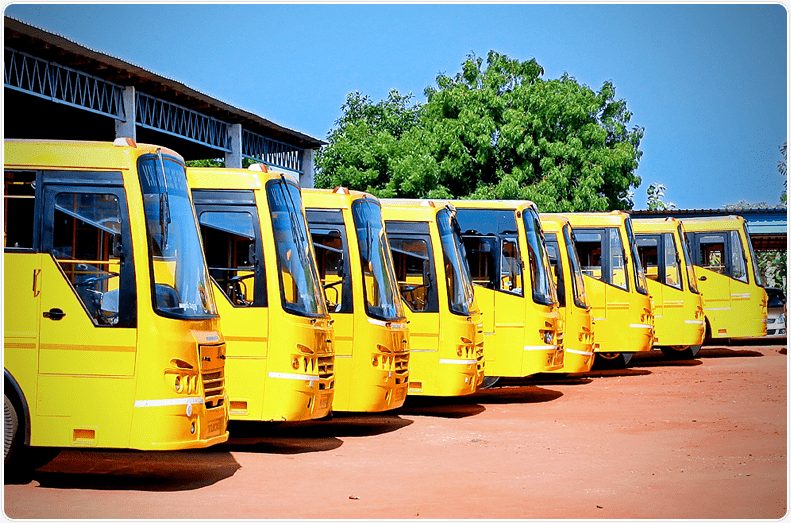
The need for safe passage of each child to school and back home is of paramount importance to us. To ensure safe travel the school has its own fleet of school buses designed as per standards and manned by trained drivers and personnel sensitized to the needs of small children. For supervision and monitoring a transport attendant is on board throughout the journey. Mobile phones have been provided in each bus that ensures efficiency in terms of service and better communication in case of emergencies. Besides ensuring the implementation of the safety norms, all staff on the bus is well trained in first aid and emergency management.
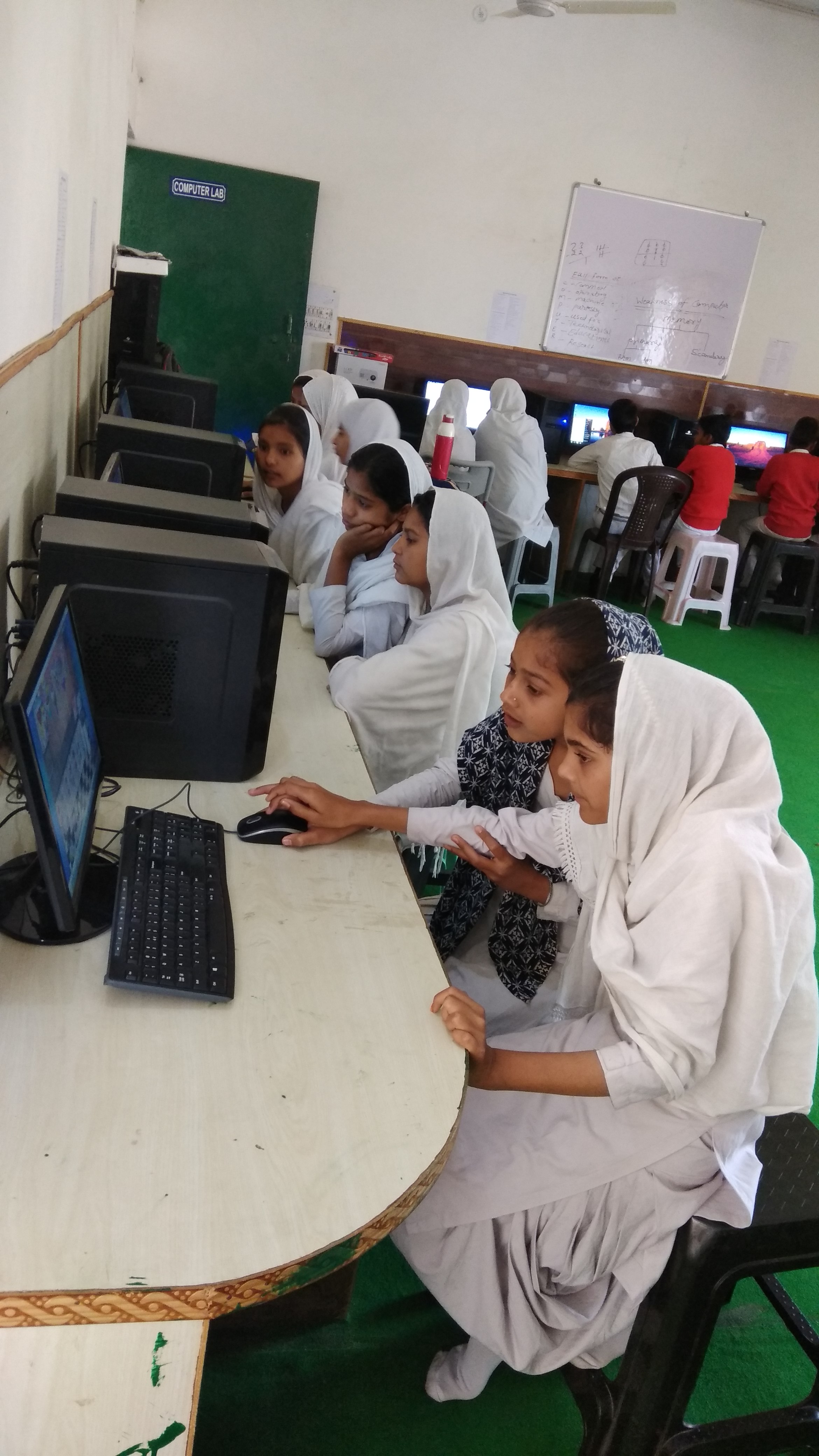
Computer labs are fully equipped with systems and latest software with an environment to implement and experiment knowledge acquired in the classroom. All the systems have internet facility. The digital lab has 25 number of Micro-processor 8085 kits and 25 number of Digital logic circuit kits for the students to understand the subjects practically.
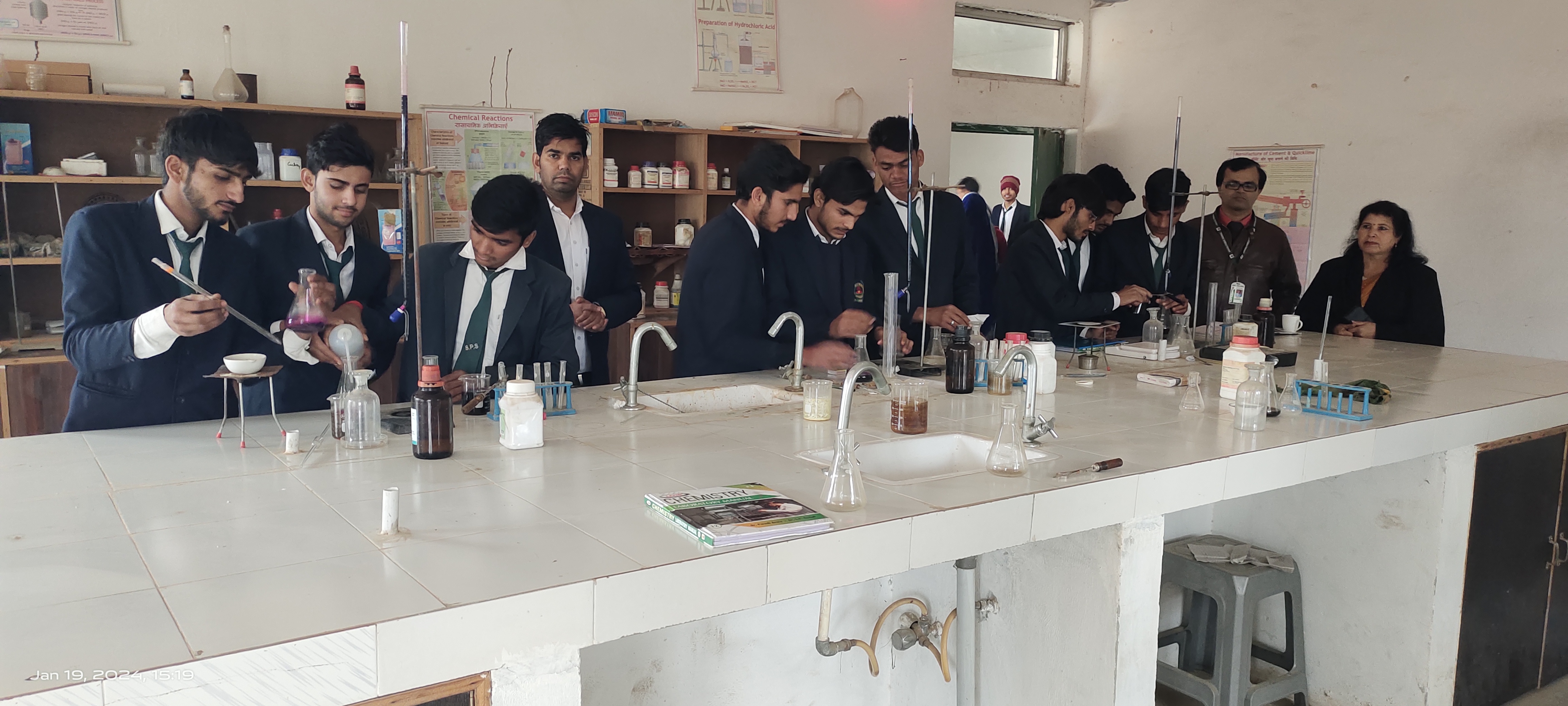
Workbenches/Countertops: These are usually made of materials resistant to chemicals and heat, such as stainless steel or chemical-resistant laminate. They provide a sturdy surface for conducting experiments. Safety Equipment: This includes items such as fire extinguishers, safety showers, eye wash stations, and first aid kits. Additionally, personal protective equipment (PPE) like goggles, gloves, and lab coats are essential for students and teachers. Chemicals and Reagents: Schools need to stock a variety of chemicals and reagents for conducting experiments. These should be stored properly in labeled containers and cabinets to ensure safety. Glassware and Equipment: Beakers, flasks, test tubes, pipettes, burettes, and other glassware are necessary for conducting experiments.
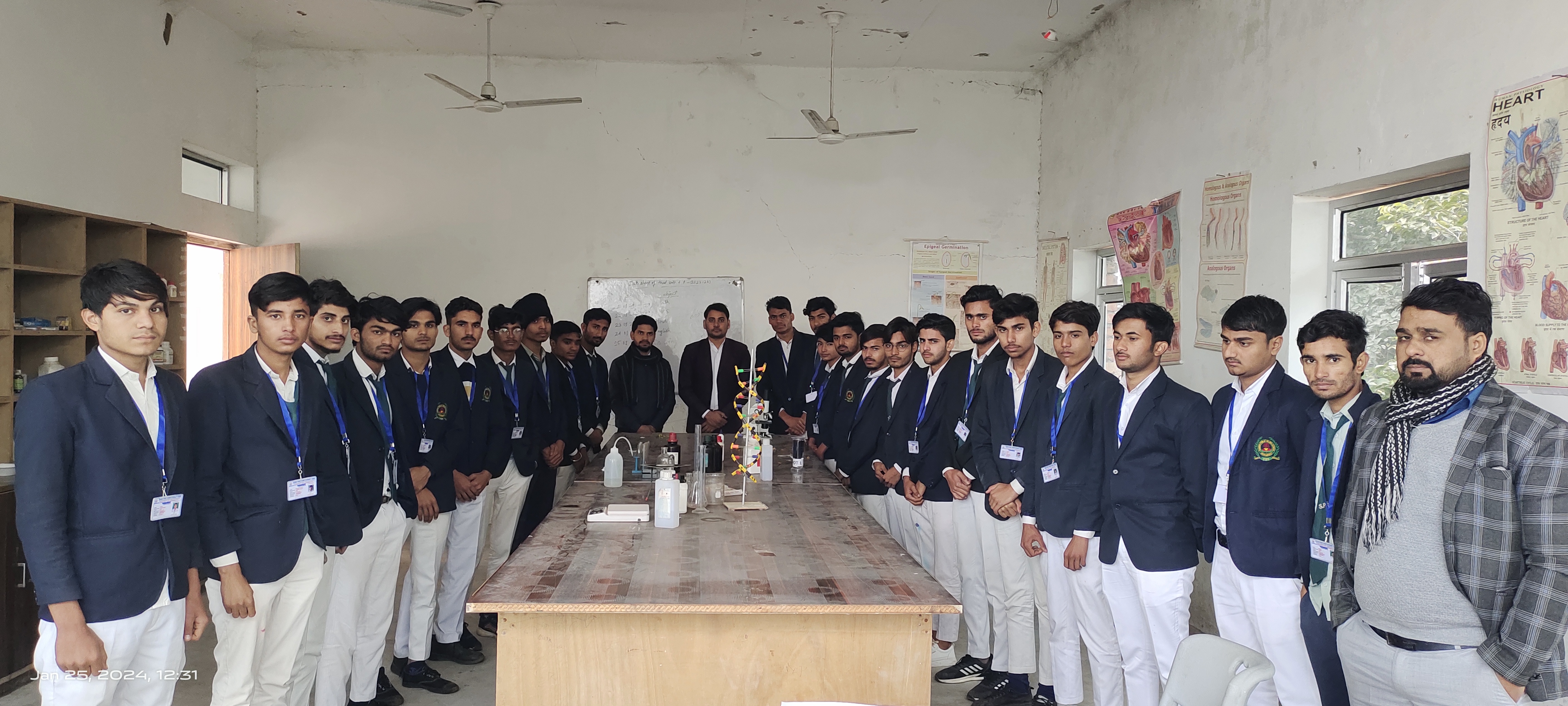
Laboratory Workstations: Similar to chemistry labs, biology labs are equipped with workstations or benches where students can conduct experiments and investigations. These workstations often have sinks, gas, water, and electrical outlets. Safety Equipment: Safety is paramount in biology labs. Essential safety equipment includes fire extinguishers, emergency showers, eye wash stations, first aid kits, and PPE such as goggles, gloves, lab coats, and closed-toe shoes. Microscopes: Microscopes are fundamental tools in biology labs, allowing students to observe microscopic organisms, tissues, and cellular structures. Schools typically provide compound microscopes equipped with various magnification levels.
Workbenches/Countertops: These are usually made of materials resistant to chemicals and heat, such as stainless steel or chemical-resistant laminate. They provide a sturdy surface for conducting experiments. Safety Equipment: This includes items such as fire extinguishers, safety showers, eye wash stations, and first aid kits. Additionally, personal protective equipment (PPE) like goggles, gloves, and lab coats are essential for students and teachers. Chemicals and Reagents: Schools need to stock a variety of chemicals and reagents for conducting experiments. These should be stored properly in labeled containers and cabinets to ensure safety. Glassware and Equipment: Beakers, flasks, test tubes, pipettes, burettes, and other glassware are necessary for conducting experiments.
Several activities and interactive sessions were also organized to avoid the anxiety children often experience on the first day. The little ones who refused to let go of their parents were distracted with sweets and toys. Except for the nursery sections, many schools held classes till evening on the first day. We provide products to allow children to enjoy the learning pleasures of sand at school, both nursery and primary. Your children learn in a very hands on way about the properties of materials, weights and volume. They share a space with each other and collaborate to make different shapes, letters or numbers.
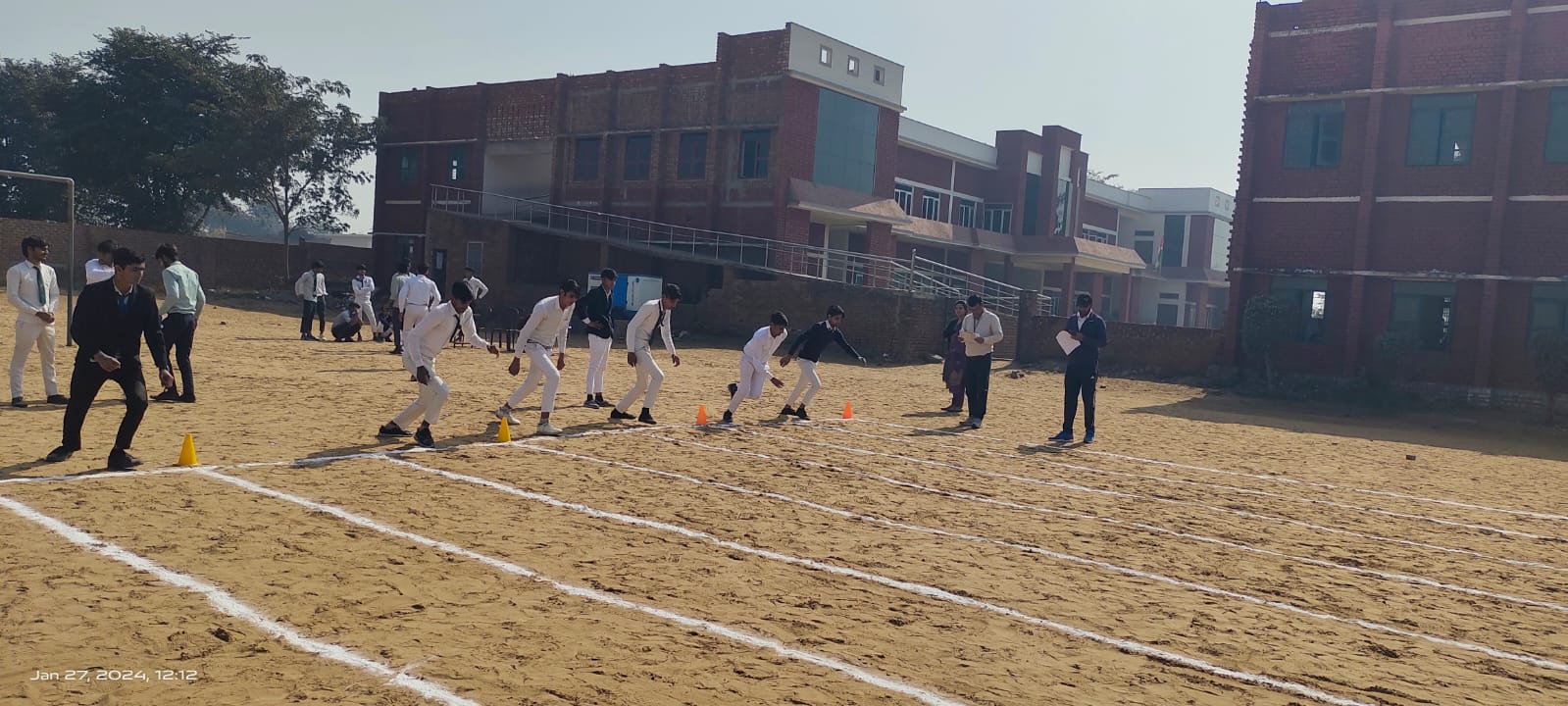
Inter-School Competitions: Schools often participate in inter-school competitions where teams from different schools compete against each other in various sports. These competitions can range from traditional team sports like basketball, soccer, volleyball, and cricket to individual sports like athletics, swimming, and tennis. Intra-School Tournaments: Within the school, intra-school tournaments are organized to encourage participation and friendly competition among students. These tournaments may include events such as inter-class competitions, house matches (if the school follows a house system), or intra-school leagues across different sports. Annual Sports Day: Many schools host an annual sports day or sports carnival, where students showcase their athletic abilities through track and field events, relay races, long jump, high jump, shot put, and other athletic disciplines. Sports days often include ceremonies, cultural performances, and fun activities for students, teachers, and parents.
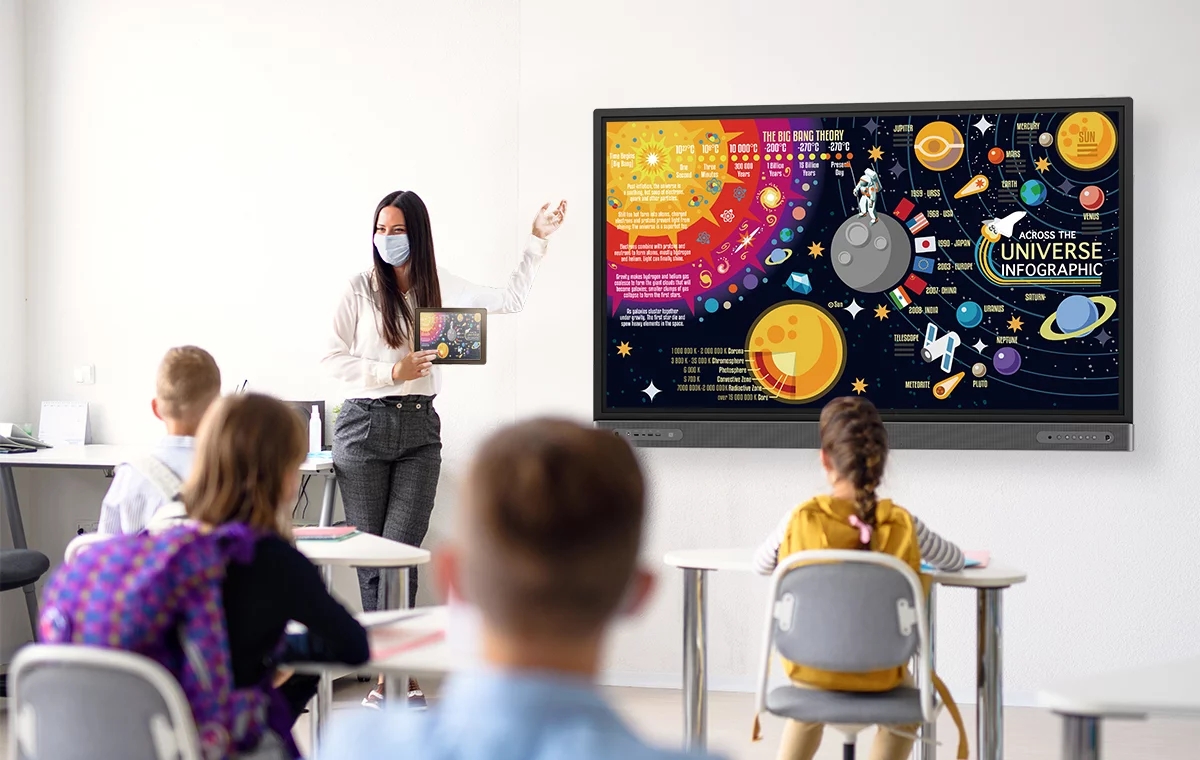
Interactive Whiteboard or Display: Smart classrooms often feature interactive whiteboards or displays that allow teachers to project digital content onto a large screen. These interactive surfaces enable teachers to annotate, highlight, and manipulate content directly on the screen using touch or stylus input. Projector: A high-quality projector is the centerpiece of the smart classroom setup. The projector displays digital content, including presentations, videos, interactive simulations, and educational software, onto the whiteboard or display surface for whole-class viewing. Audio System: An audio system, including speakers and microphones, may be integrated into the smart classroom setup to ensure clear and immersive sound quality during presentations, videos, and multimedia content.
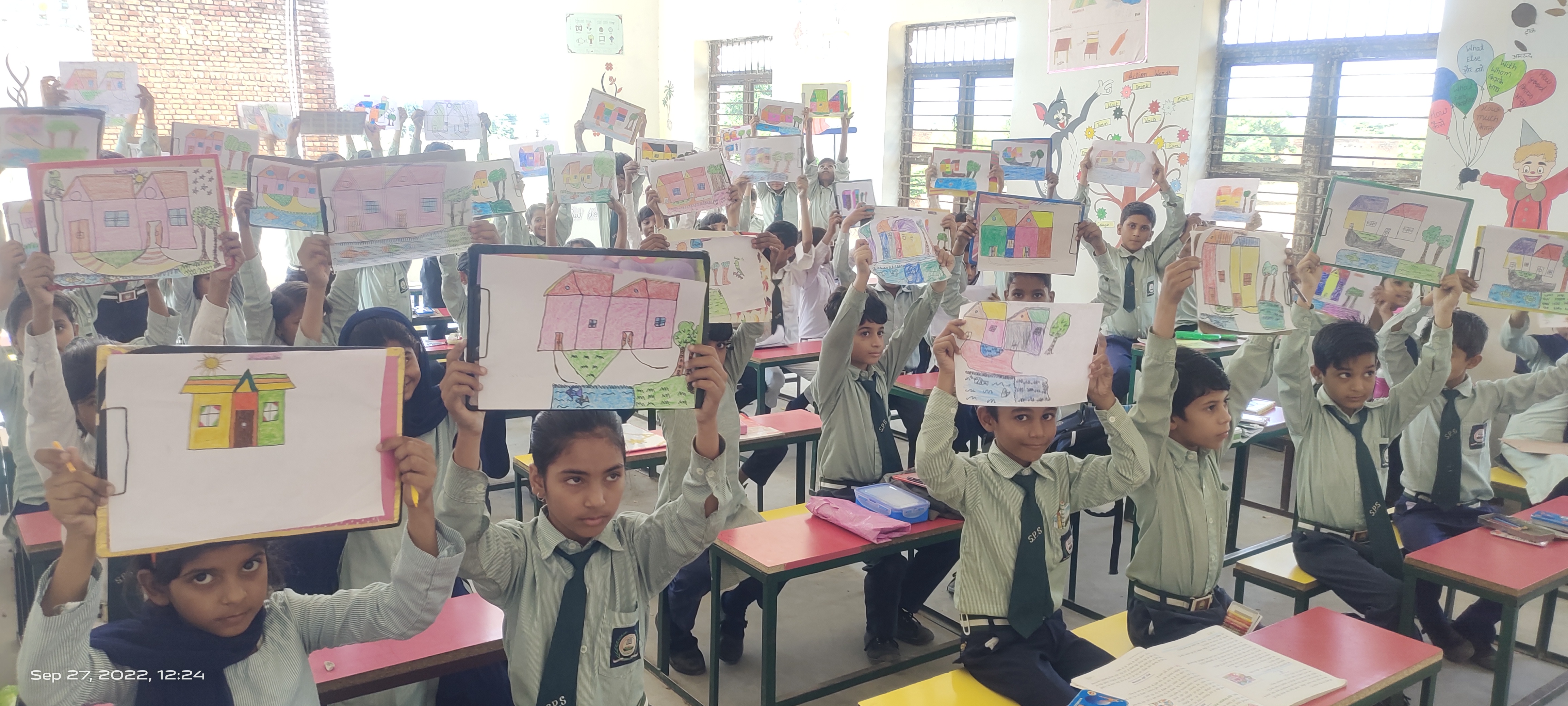
Collaborative Projects: Students work together in groups to complete projects or assignments that require problem-solving, creativity, and teamwork. Examples include group presentations, research projects, debates, and simulations. Experiments and Demonstrations: Science classes often incorporate experiments and demonstrations to help students understand scientific concepts through observation, exploration, and discovery. These activities can include laboratory experiments, demonstrations with scientific equipment, and field trips to natural environments. Role-Playing and Simulations: Role-playing activities and simulations allow students to step into different roles or scenarios to explore complex issues, historical events, or real-world situations. Examples include historical reenactments, mock trials, business simulations, and role-playing games.
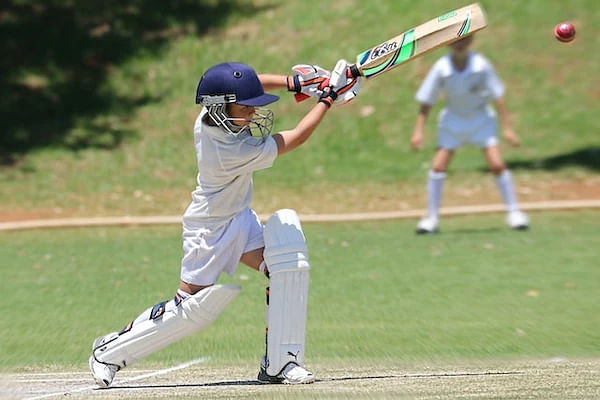
Cricket is a sport loved by millions worldwide, renowned for its excitement, strategy, and rich traditions. Here's a brief overview: Origin and History: Cricket's origins date back to the 16th century in England. It evolved from earlier bat-and-ball games and gained popularity across the British Empire, spreading to countries like India, Australia, the West Indies, and beyond. Format: Cricket can be played in various formats, each with its own rules and durations. Test cricket is the longest format, lasting up to five days with each team batting twice. One Day Internationals (ODIs) are limited-overs matches played in a single day, while Twenty20 (T20) cricket is an even shorter format, with matches typically lasting around three hours. Teams and Players: Cricket is played between two teams, each consisting of eleven players. Players are divided into batsmen, bowlers, wicketkeepers, and fielders. The captain leads the team on the field, making tactical decisions and strategizing during matches. Equipment: The primary equipment in cricket includes a bat, ball, stumps, and protective gear. Bats are typically made of willow, while balls are made of cork wrapped in leather. Protective gear includes helmets, pads, gloves, and abdominal guards worn by batsmen and wicketkeepers.

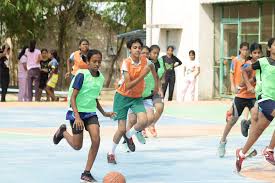
Teams and Players: Volleyball is typically played between two teams, each consisting of six players on the court at a time. Teams are allowed substitutions, and players rotate positions on the court as the team gains the serve. Court and Equipment: The game is played on a rectangular court divided by a net. The court is 18 meters long and 9 meters wide for indoor volleyball, while beach volleyball courts are smaller. Players use a volleyball, which is typically made of leather or synthetic material, and wear appropriate attire including jerseys, shorts, and athletic shoes. Scoring: Points are scored when a team successfully grounds the ball on the opposing team's court, or when the opposing team commits a fault (e.g., serving out of bounds, hitting the ball out of bounds, double-touching the ball). A point is scored on every rally regardless of which team served the ball.
Multi-Purpose Courts: Indoor sports areas typically have one or more multi-purpose courts that can be configured for different sports such as basketball, volleyball, badminton, futsal, tennis, and pickleball. These courts may have markings and equipment specific to each sport. Indoor Track: Some larger indoor sports facilities include an indoor track for running, jogging, and sprinting. These tracks may be oval-shaped or configured in a loop around the perimeter of the facility. Fitness and Weight Training Area: Many indoor sports areas have a fitness and weight training area equipped with exercise machines, free weights, and cardio equipment such as treadmills, elliptical trainers, and stationary bikes. This area is often used for individual workouts and fitness classes.
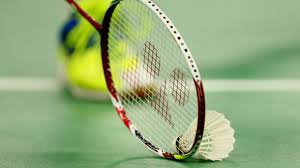
Court and Equipment: Badminton is typically played on a rectangular court divided by a net. The court is 44 feet long and 20 feet wide for doubles matches, and 17 feet wide for singles matches. Players use lightweight racquets to hit a shuttlecock, also known as a birdie or shuttle, over the net. Scoring: Points are scored when the shuttlecock lands in the opponent's court or when the opponent commits a fault, such as hitting the shuttlecock out of bounds, failing to return the shuttlecock, or committing a foot fault. Matches are typically played to a best-of-three-game format, with each game played to 21 points.
Sunrise Public Sr. Sec School